Story
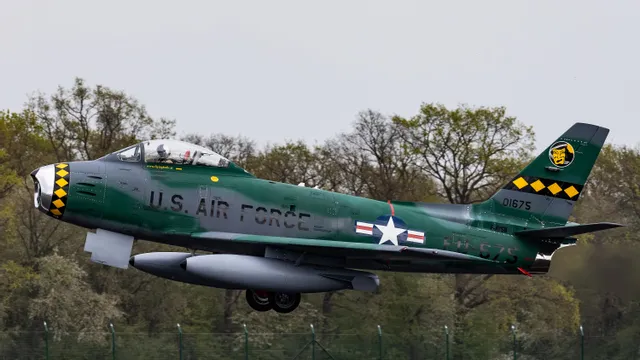
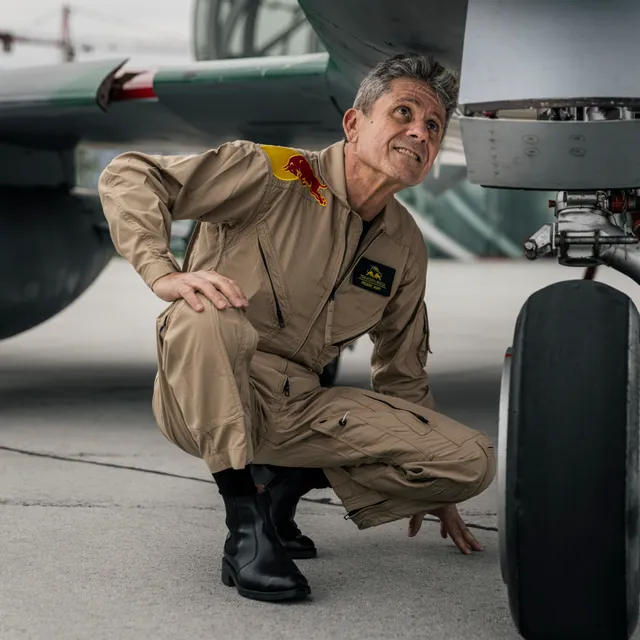
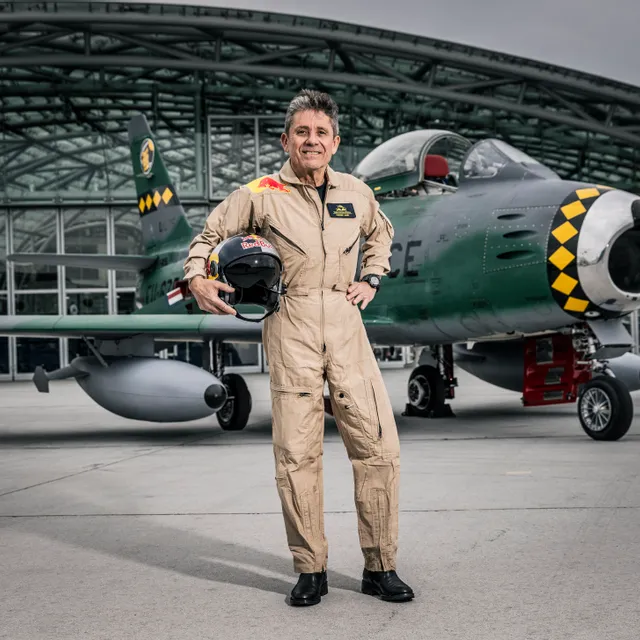
From ambulance flights over the Pacific Islands to 38 years with Air France and a Cold War jet fighter – Frédéric Akary has lived aviation in a way few pilots ever will. And with The Flying Bulls, the next chapter is already in the air.
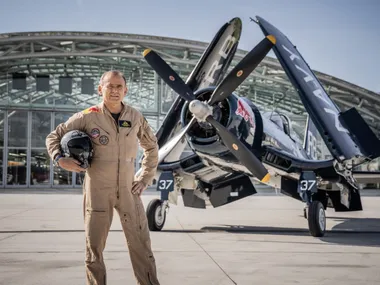
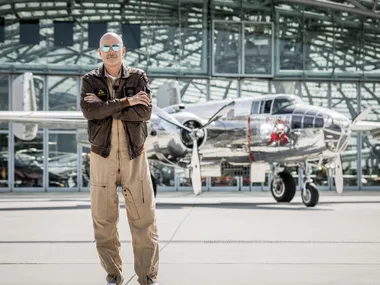
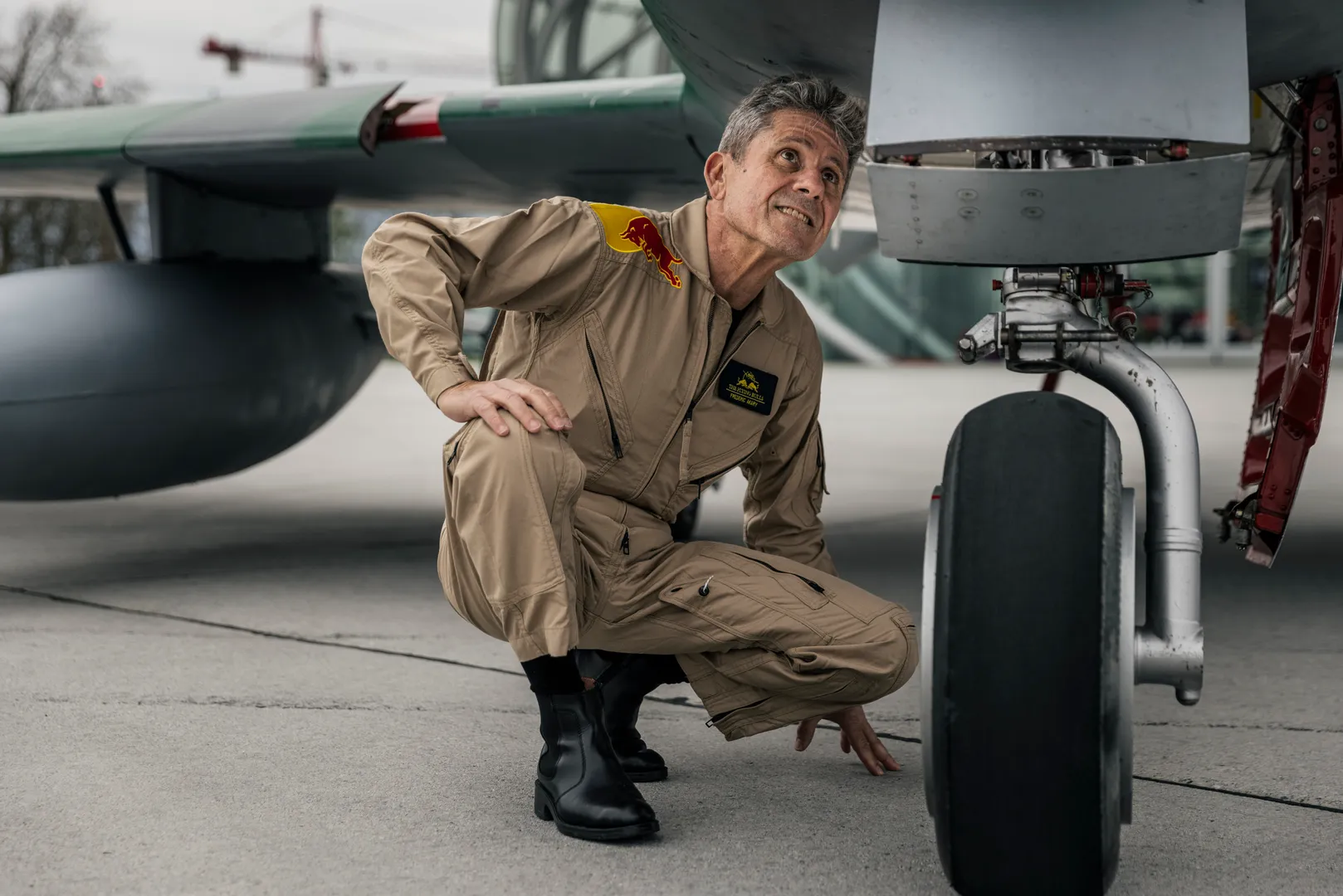
Some people are born into aviation. Fred Akary is one of them – or so his parents always insisted. As a baby, they said, he would crane his neck searching the sky for aeroplanes. Growing up, his bedroom was full of aviation magazines he could barely read and balsa-wood models he built by hand. The road to the cockpit was anything but straight: no flight school, just rotating shifts as a worker in the alcohol industry and stolen hours studying alone, until he had his PPL and commercial licence – both earned within a single year. From there, his career took on a quality somewhere between adventure story and flying logbook. Aerobatic instructor, ambulance pilot threading through the islands of French Polynesia at night with no GPS and just a compass, then the airlines: the Caravelle, the A320, the Boeing 747, then as head of training for Boeing 737 and 777, responsible for the competency of over 1,500 pilots at Air France. And through all of it, there was the other life: the warbirds, the wrenches, and finally, the Cold War jet of his childhood dreams.
Interview
Fred, they say some aircraft have a spirit. You’ve said that about the P-51 Mustang Moonbeam McSwine. What do you mean by that?
FA: Out of the 17,000 P-51s built, maybe 150 are flying today. Why those ones and not the others? Something keeps them going. With Moonbeam, I had a fuel valve failure on my third flight – the engine quit while I was on downwind. I landed the plane. But I felt like she brought me back. I know how it sounds. I’m a 777 captain – I’m not exactly superstitious. But you can feel it. And later I discovered that a former comrade of the Mustang’s wartime pilot had stayed at my guest house ten years earlier – without either of us knowing the connection. Not long after, a young man called me, wanting to offer his 77-year-old grandfather – a former French P-51 pilot – one last flight in a Mustang. He came to the hangar, I removed the blindfold, he saw the aircraft, and we both cried. Three months later he was gone. His grandson told me he watched the video of that flight every single day in hospital. After his death, his grandson found aMustang model kit in a trunk that his grandfather had bought for him 15 years earlier – it was an exact replica of Moonbeam McSwine... strange, isn’t it? Some aircraft carry history with them. This one did.
And that aircraft, the Moonbeam McSwine, is what led to the Sabre?
FA: Yes, indirectly, and through the most difficult moment. Vlado Lenoch was the previous owner of the Mustang. We became close friends – I would fly to Chicago on the 777, and we would have dinner, drink good wine, talk about aerobatics and aviation. In July 2017 he was killed in a crash. I cried for a week. I couldn’t go to the funeral, so I sent a large bouquet of flowers – blue and white, the colours of the Mustang – signed Moonbeam McSwine. Paul Wood, the founder of the Warbird Heritage Foundation, saw those flowers and understood. He reached out and said: we would like this aircraft back in America, in Vlado’s memory. I said yes – but on one condition. I didn’t want it to be just a business transaction. I wanted it to be a beautiful story.
And Paul Wood made that happen?
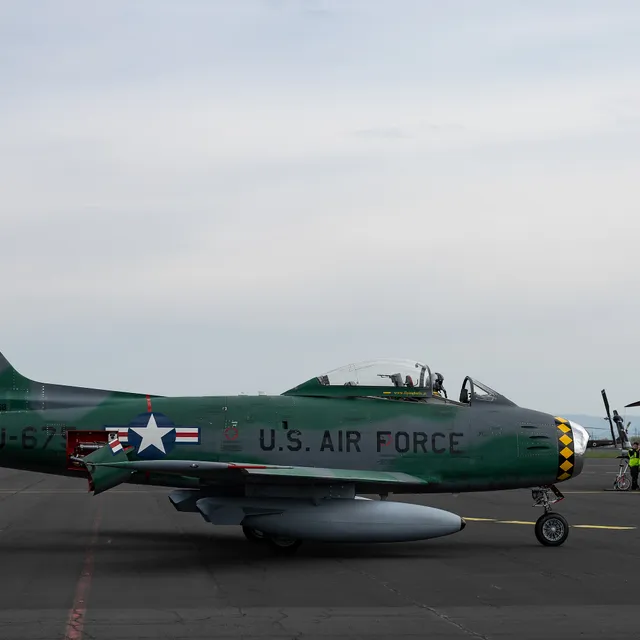
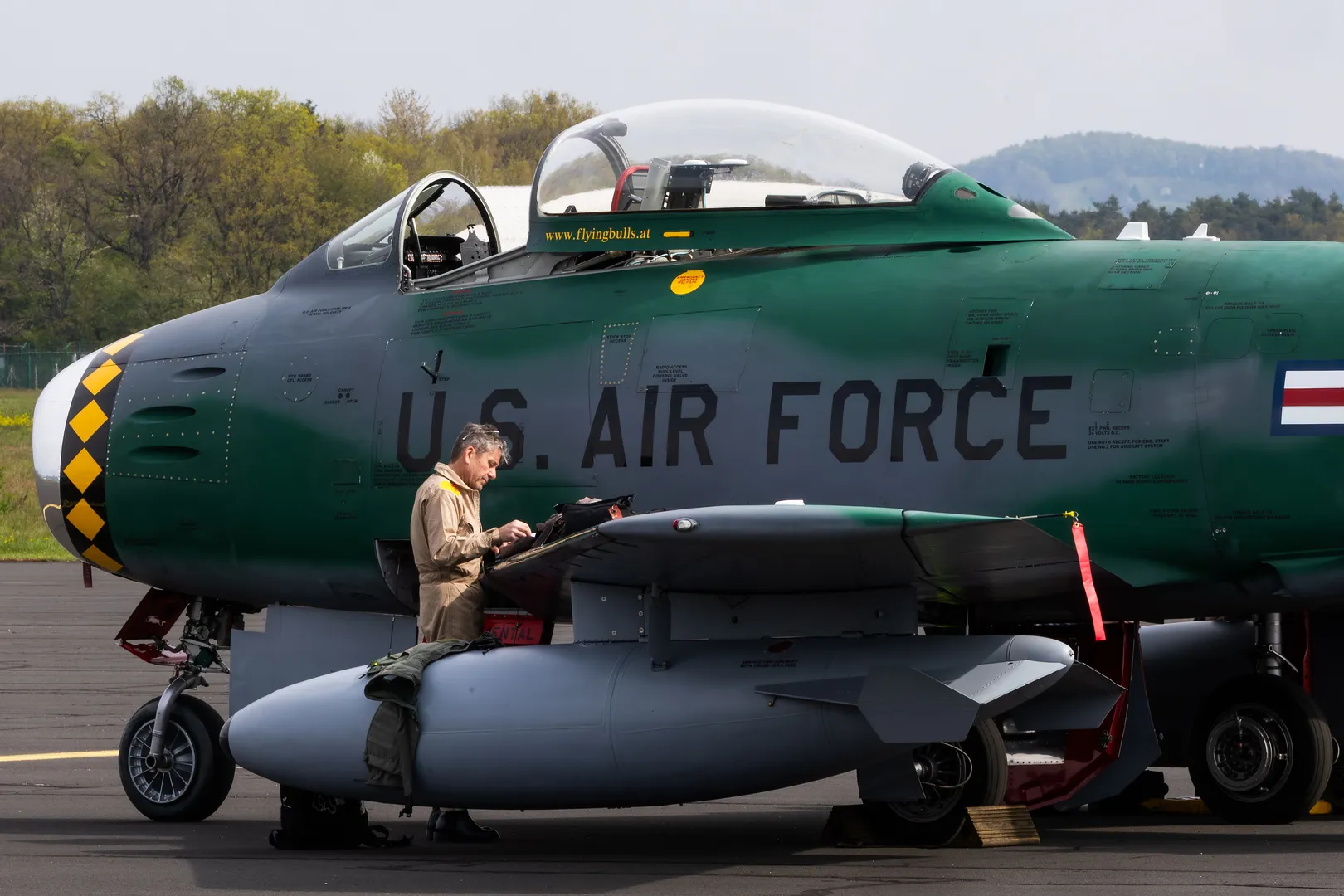
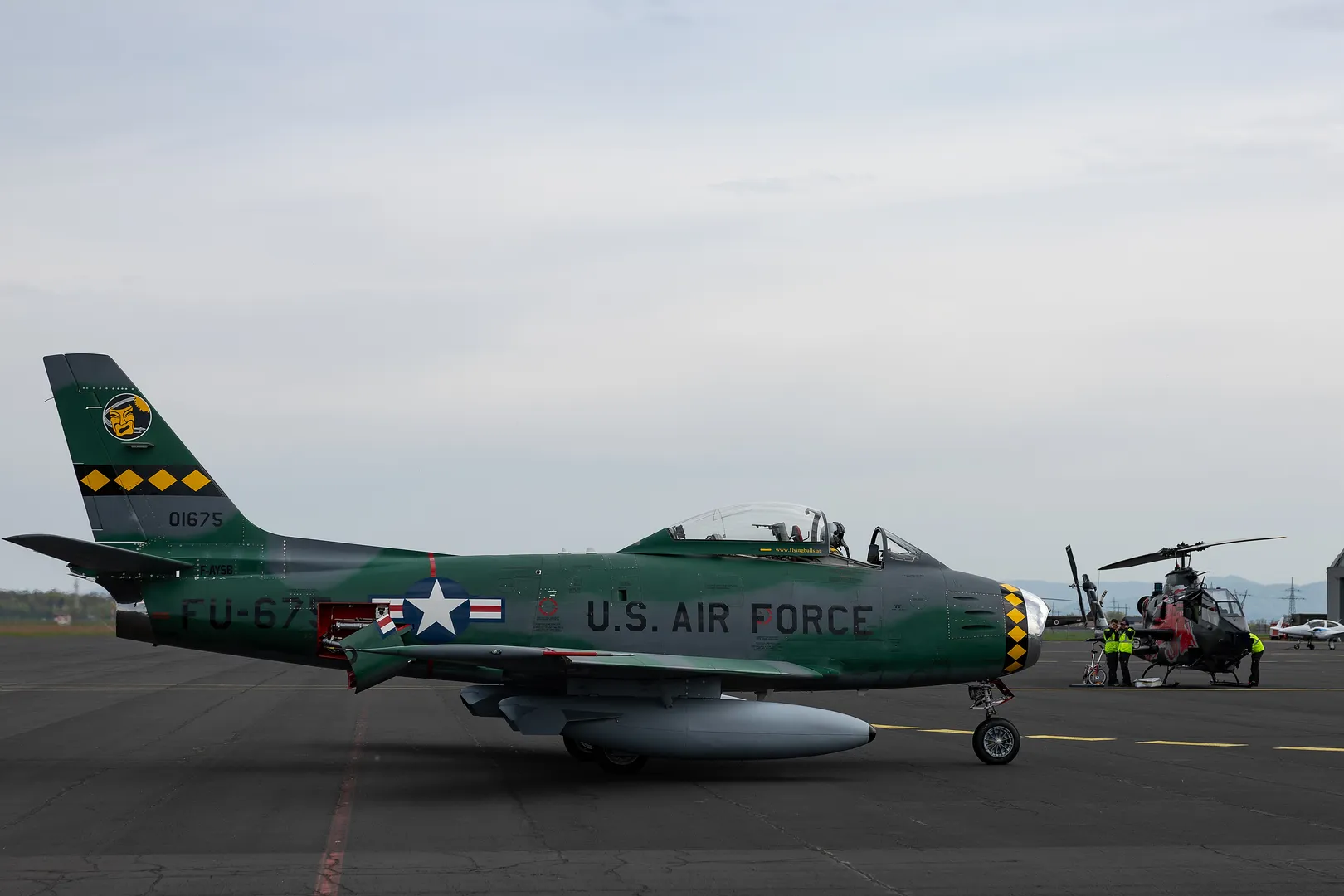
FA: He is a first-class gentleman of the old school. He took me to his collection and showed me all his aircraft. And there was an F-86. He said: Fred, this is a fantastic aeroplane – reliable, wonderful to fly, easy to manage, full of spare parts. And the F-86 had been my dream machine ever since childhood. Two months later we shook hands. And he paid for everything: a week on the T-2 Buckeye, a week on the MiG-15, 42 hours of ground school, all the flight hours on the F-86, the FAA check ride. Everything. Because when someone shares your passion at that level, money is not the point. The story is.
What goes through your mind before you climb into the cockpit?
FA: What is important is that you have a little stress. You have to be focused on what you are going to do – fully involved in it. If you have no stress, you are not paying attention. It is like getting into your car without thinking: in a car, you might get away with it. In an aeroplane, you cannot make that kind of mistake. But if you are well trained, if you have thought carefully about what you are going to do, the stress stays small and manageable. That is the right level. It means you are ready.
What is it about warbirds that captured you so completely?
FA: I have two great passions in life – mechanics and aerobatics. Warbirds are the perfect combination of both. They are beautiful machines that demand real mechanical understanding, and they have the performance to match. When I was flying competition aerobatics, I had 300 horsepower and was doing 400 kilometres per hour. In a warbird, you have 1,500 horsepower and you are flying at 300 knots. Not 300 kilometres per hour – 300 knots. So I started with a Hawker Sea Fury, which I bought in South Africa and flew for five years. Then came the P-51 Mustang. And then the Sabre – which had been my dream since I was ten years old.
And the Sabre is also the aircraft that has now brought you to The Flying Bulls?
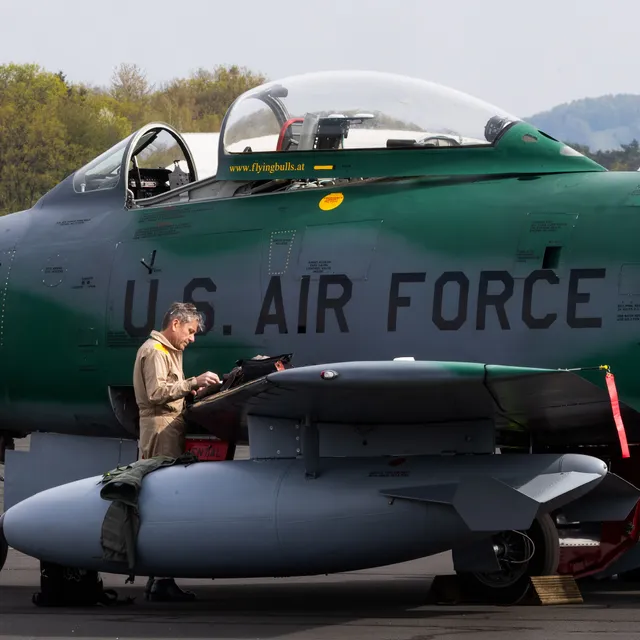
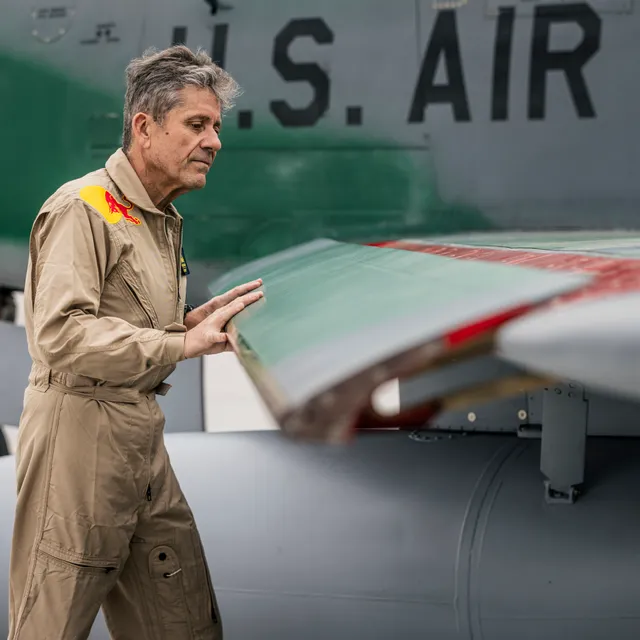
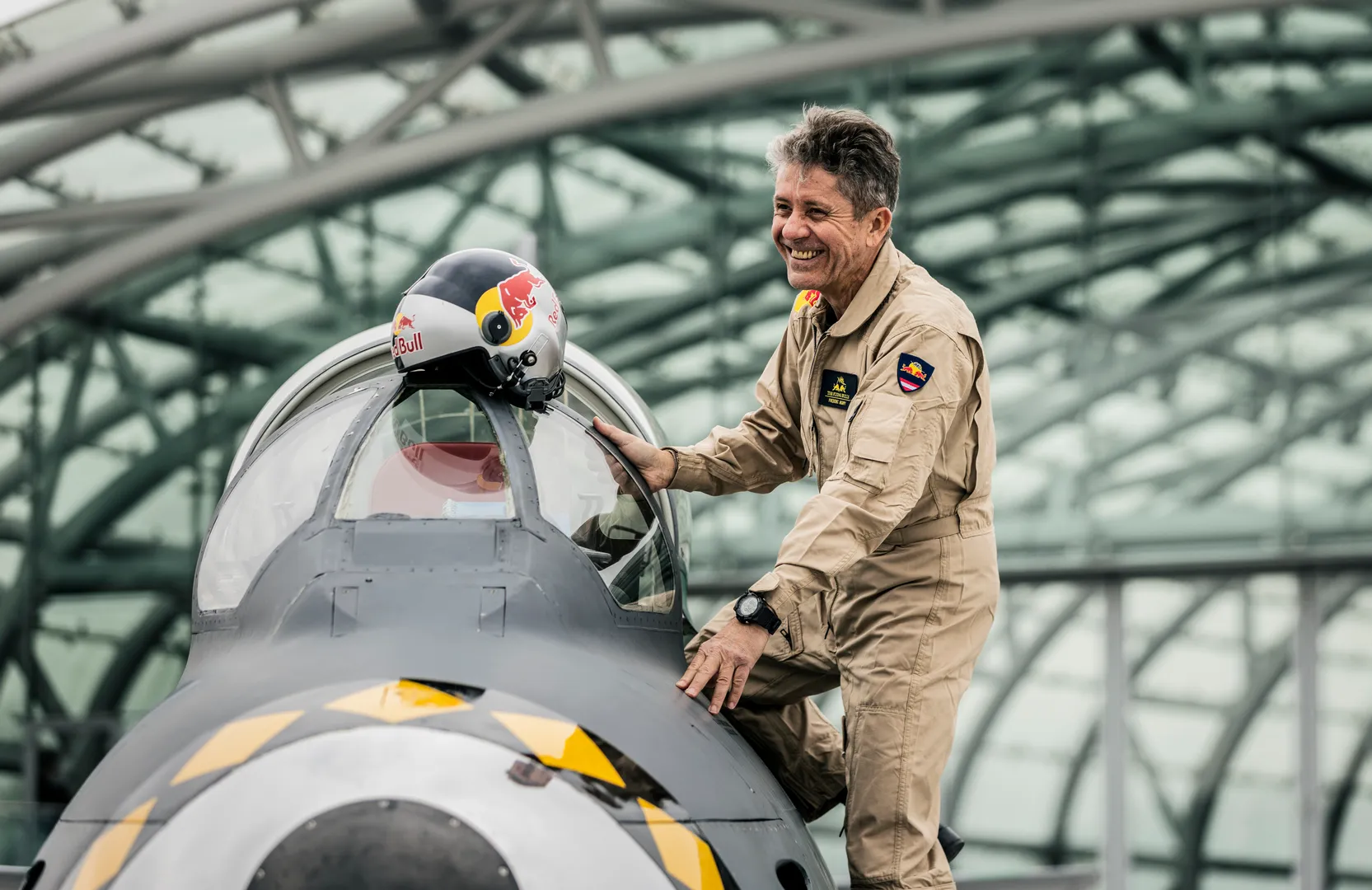
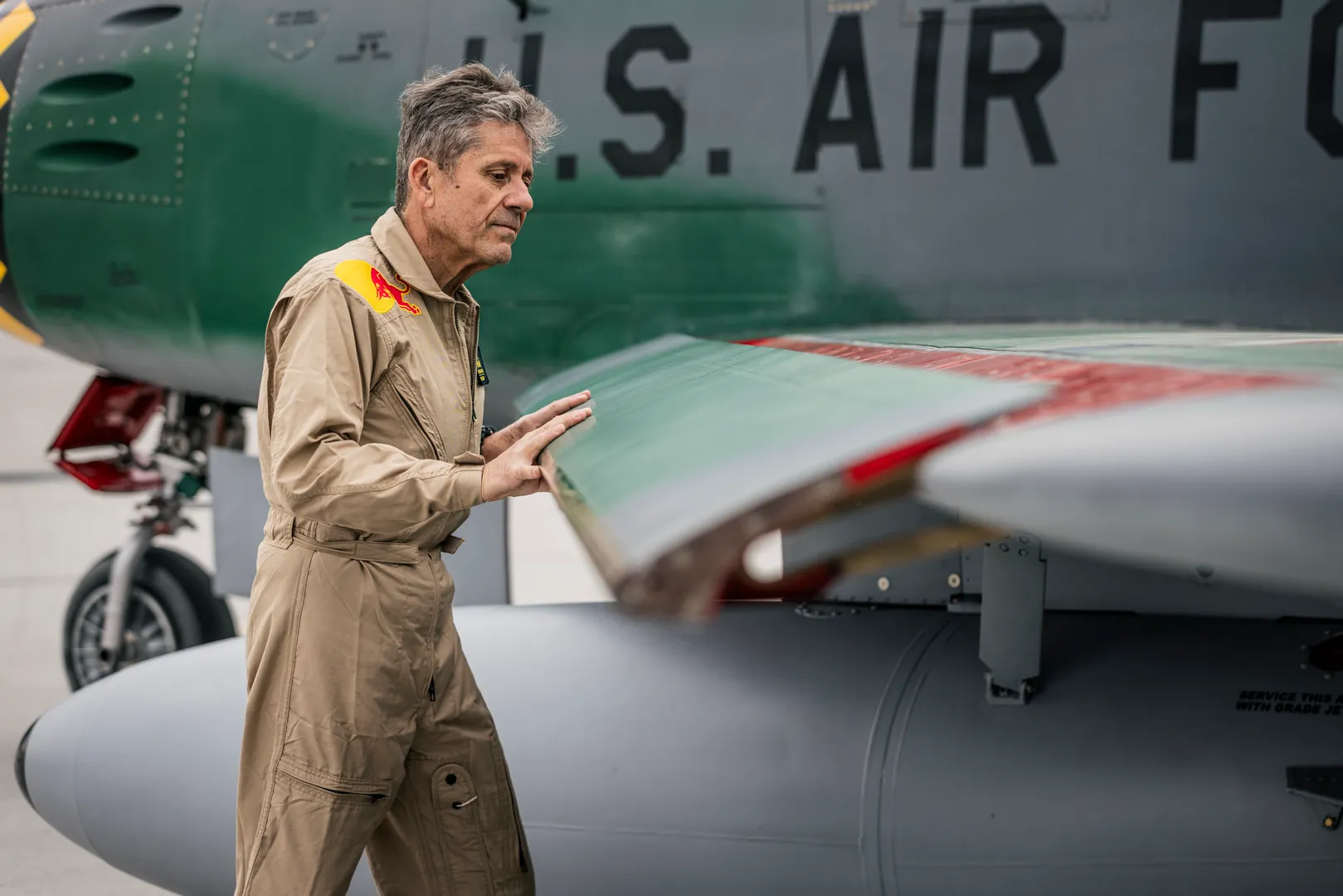
FA: We have known each other for years – it is a small world, the airshow circuit. When they started asking questions about the Sabre, about what it takes to fly and maintain one, the connection grew from there. But what moves me most is this: since 2019, I have been doing 400 to 450 hours of maintenance on this aircraft every winter, alone in the hangar. I’m starting to get to know it well, even though I don’t know everything about it – it takes many years. And now I can pass it to a dream team who will give it the same tender loving care and certainly with much more expertise than I have. That is not selling a plane. That is continuing a story. And I am still flying it. So for me, it is a dream that keeps going.
You’re retiring from Air France in 2026 after 38 years. What does the next chapter look like?
FA: My last flight is Paris to Los Angeles and back – one of my favourite routes in the world. You fly over England, Iceland and Greenland. I have so many photographs of Greenland, this vast silence of ice and mountains going into the sea. Then the Mojave Desert, Las Vegas, the Grand Canyon. Nicest office in the world. But after 38 years, 18,000 flight hours and 18 years on the 777, it is time. I prefer now 12 minutes at five Gs to 12 hours at one. And now, with The Flying Bulls, I have the chance to fly an airshow display in a truly professional environment. That is rare. That is something.
Is there anything still on your bucket list?
FA: Yes. I flew the Sea Fury and the Mustang for 11 years, so now – one day – I would very much like to fly a Spitfire.
Taking a cue from Mark Twain, I would dare to say, “It seems very difficult, if not impossible – which is why we’re going to do it.” And as Antoine de Saint-Exupéry said, “Make your life a dream, and your dream a reality.”